Maintaining a Hot Tub: A Guide to Long-Lasting Performance
As a Certified Pool Operator (at timesaverconcierge.ca), one of the most common questions I hear from homeowners is how to properly maintain their hot tub. While hot tubs are smaller than swimming pools, they require just as much—if not more—attention due to higher water temperatures and frequent use. Proper maintenance not only ensures a clean and safe soaking experience but also protects the equipment and extends the life of the hot tub. Here’s a quick guide to keeping a hot tub in top condition year-round.

First and foremost, water chemistry is the foundation of hot tub maintenance. Because hot tubs operate at higher temperatures, bacteria and algae can grow quickly if the water is not balanced. I recommend testing the water at least two to three times per week. The ideal pH level should fall between 7.2 and 7.8, while alkalinity should remain between 80 and 120 parts per million. Sanitizer levels—whether chlorine or bromine—must be maintained consistently to keep the water safe and clear.
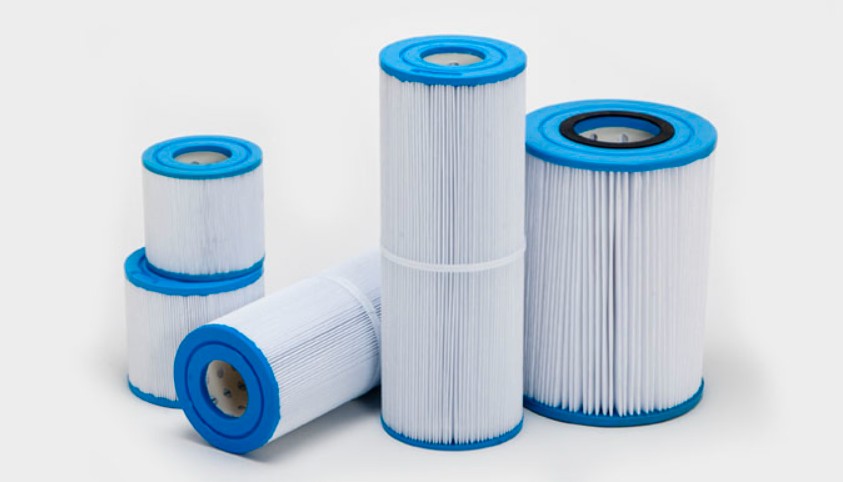
Filtration is another critical component. Hot tub filters work hard, trapping oils, lotions, and debris brought in by bathers. I recommend my clients to keep 2 sets of filters, one set in the hot tub, and one set clean and sanitized at all times. This makes it easy to swap out the dirty filters with clean version anytime it is required. I swap filter monthly. I also recommend replacing filters every 18- 24 months.
Regular draining and refilling is also essential. Unlike pools, hot tubs have a smaller volume of water that becomes saturated with dissolved solids over time. I typically recommend draining and refilling every three to four months, depending on usage. In colder climates, I choose October, April and July so I never have to deal with freezing temperatures. This practice helps reset water chemistry, improves sanitizer efficiency, and keeps the water fresh. Before emptying, it’s a good idea to shock the hot tub to ensure pipes are also free from biofilm.
Equipment inspections should never be overlooked. I make it a point to check pumps, heaters, and jets during routine maintenance visits. Unusual noises, reduced jet pressure, or inconsistent heating can signal early problems. Catching these issues early can prevent costly repairs down the road. Ensuring the hot tub cover is in good condition is equally important, as a damaged or waterlogged cover leads to heat loss, higher energy costs, and contaminated water.
Finally, educating homeowners plays a big role in successful hot tub ownership. Simple habits like showering before use, avoiding too much clothing while bathing (clothing carries dirt and soap that can ruin water chemistry and cause foaming), and the use of oils or soaps can significantly reduce maintenance demands. When homeowners understand how their daily actions affect water quality, the hot tub stays cleaner and easier to manage. In my experience as a professional, consistent care is the key to hot tub longevity. With proper water balance, clean filtration, routine inspections, and good user habits, a hot tub can provide years of reliable relaxation while minimizing repair costs and downtime.